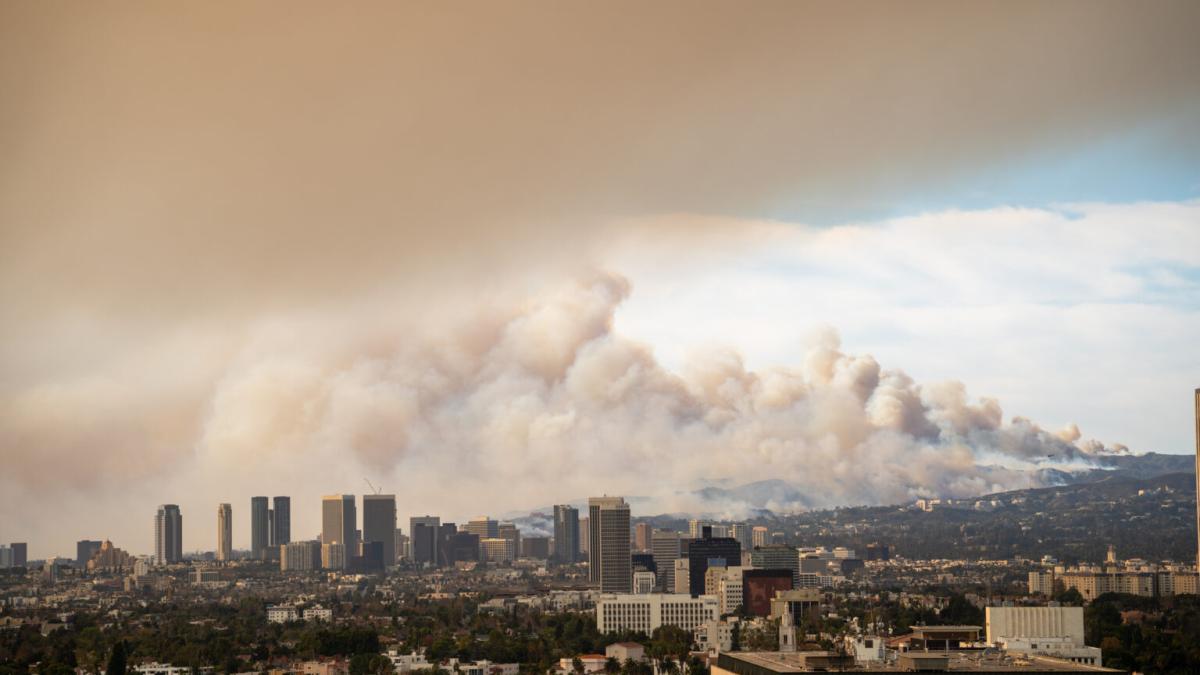
When uncontrolled wildfires moved from the foothills above Los Angeles into the densely populated urban areas below in January 2025, evacuation ensued and a thick layer of toxic smoke spread across the region. Air quality plummeted. Local hospitals braced for a surge, but it never came.

Research led by the University of Washington and Kaiser Permanente Southern California sheds new light on how the Los Angeles fires affected people’s health, and how people navigated the health care system during an emergency. In the rapid study, published Nov. 26 in JAMA Health Forum, researchers analyzed the health records of 3.7 million Kaiser Permanente members of all ages living in the region. They found that health care visits did rise above normal levels, especially virtual services.
In the week after the fires ignited, Kaiser Permanente members made 42% more virtual visits for respiratory symptoms than expected. Those living near a burn zone or within Los Angeles County also made 44% and 40% more virtual cardiovascular visits, respectively, than expected.
In-person outpatient visits for respiratory symptoms also increased substantially. Members who lived near a burn zone or within Los Angeles County made 27% and 31% more virtual cardiovascular visits, respectively, than expected.
Extrapolating to all insured residents of the county, the researchers estimated an excess of 15,792 cardiovascular virtual visits, 18,489 respiratory virtual visits and 27,903 respiratory outpatient visits in the first week of the fires.
The results suggest that people may rely more heavily on virtual health care during climate-related emergencies, and that providers should better prioritize virtual and telehealth services as they prepare for future crises.
“We saw over 6,241 excess cardiorespiratory virtual visits in the week following the fire ignition. This represents a substantial increase in care,” said Joan Casey, a UW associate professor of environmental and occupational health sciences and of epidemiology who led the research. “While the fires clearly impacted health, virtual care likely enhanced the ability of providers to meet the health care needs of people experiencing an ongoing climate disaster.”
Adapted from the original post in UW News.