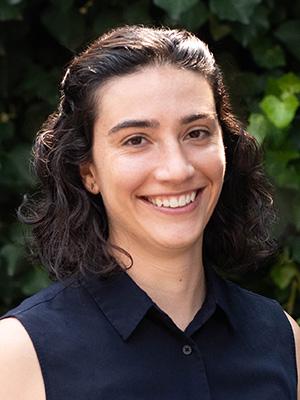
Erica Fuhrmeister, PHD, MS
About
Dr. Erica Fuhrmeister is Assistant Professor in the UW Department of Environmental & Occupational Health Sciences. She received her BS in environmental engineering from Johns Hopkins University and her MS and PhD in environmental engineering from University of California, Berkeley.
Dr. Fuhrmeister is interested in understanding environmental transmission pathways of pathogens, particularly enteric pathogens in low- and middle-income countries. As part of her postdoctoral work, she investigated the transmission of antibiotic resistance genes between humans, animals and the environment in Nairobi, Kenya, using metagenomics. In response to COVID-19, she has worked with other researchers to survey high-touch surfaces in the community for SARS-CoV-2 RNA.
For additional details about my research, please see my lab website.
Education
- PhD, University of California (Berkeley)
- MS, University of California (Berkeley)
Affiliations
Assistant Professor, Civil and Environmental EngineeringMentorship
Available to mentor new Master's students in autumn 2027. Please follow the instructions on the How To Apply page.
DEOHS Students Mentored
Sexually Transmitted Infection Wastewater-Based Surveillance in Rural and Urban Washington State
Briahna Lynne Koger | MS Thesis | 2025 | View
Targeted, Long-Read Sequencing of Extended-Spectrum Beta-Lactamase Alleles in Seattle Area Wastewater
Angelo Ong | MS Thesis | 2024 | View
Antimicrobial Usage in Bovine Veterinary Medicine in Washington State
Shannon Cassel | MS Thesis | 2024 | View
Evaluation of Antimicrobial Opinions and Uses in Small and Large Animal Veterinary Practice in Washington State
Elizabeth Grace Rott | MS Thesis | 2023 | View
Research
- Using next-generation metagenomic tools and strategies to elucidate the role of the environment in the proliferation of antibiotic resistance and antibiotic-resistant pathogens. Emphasis on identifying important reservoirs and vectors of waterborne pathogen transmission to design effective engineered water and sanitation interventions. This work has spanned both the laboratory and the field, with international components in Kenya and Bangladesh.
- In response to COVID-19, evaluating the role of fomites in community-level transmission of SARS-CoV-2.
- Using 16S rRNA gene sequencing and Bayesian modeling for fecal source tracking.
Publications
Selected publications
- Longitudinal Monitoring of SARS-CoV-2 RNA on High-Touch Surfaces in a Community Setting
- Combating Antimicrobial Resistance Through Student-Driven Research and Environmental Surveillance
- Effect of Sanitation Improvements on Pathogens and Microbial Source Tracking Markers in the Rural Bangladeshi Household Environment
- Estimates of Nitrogen, Phosphorus, Biochemical Oxygen Demand, and Fecal Coliforms Entering the Environment Due to Inadequate Sanitation Treatment Technologies in 108 Low and Middle Income Countries
Engagement
Equity, diversity and inclusion
The grand challenges of today cannot be addressed without the inclusion of diverse groups. The most meaningful research is motivated by large-scale problems, and solutions need to address longstanding harmful impacts on marginalized communities.
My current and previous work has focused on identifying which environmental exposures are most likely to lead to diarrheal illnesses or antibiotic-resistant infections in vulnerable populations. Through these efforts, we hope to prevent infections, particularly in young children in resource-limited settings. As I begin my own research group, I am committed to continuing this work in a mindful way. We strive to create mutually beneficial relationships that ensure equitable opportunities for researchers from around the world.
Community and research partnerships
As a new faculty member, I am excited by the close connections our department has with state and local communities. In a new project for our group, we will work with the UW Center for One Health Research and the Washington State Department of Health to understand antibiotic usage in agriculture and veterinary medicine in our community. The goal of this project is to better understand current practices, perceptions and successes to bolster efforts to reduce the spread of antimicrobial resistance in Washington.
Teaching practices
In my classes, we will discuss equity and racism as it relates to current research topics (i.e., which populations are not represented in microbiome studies? Which populations bear the greatest burden of antibiotic resistance?) As an instructor, my goal is to foster an inclusive, respectful space for students to express their unique viewpoints.