Biodiversity loss is directly threatening human health and welfare, according to new research by a multi-institution team including the University of Washington. The study, published May 6 in Nature, reveals for the first time how the decline of insect pollinators undermines essential ecosystem services that support human nutrition and livelihoods.
It’s been long known that insect pollinators are vital for producing many of the fruits, vegetables and legumes that supply essential vitamins and minerals in our diets, yet clear evidence of how their decline affects people has been limited.
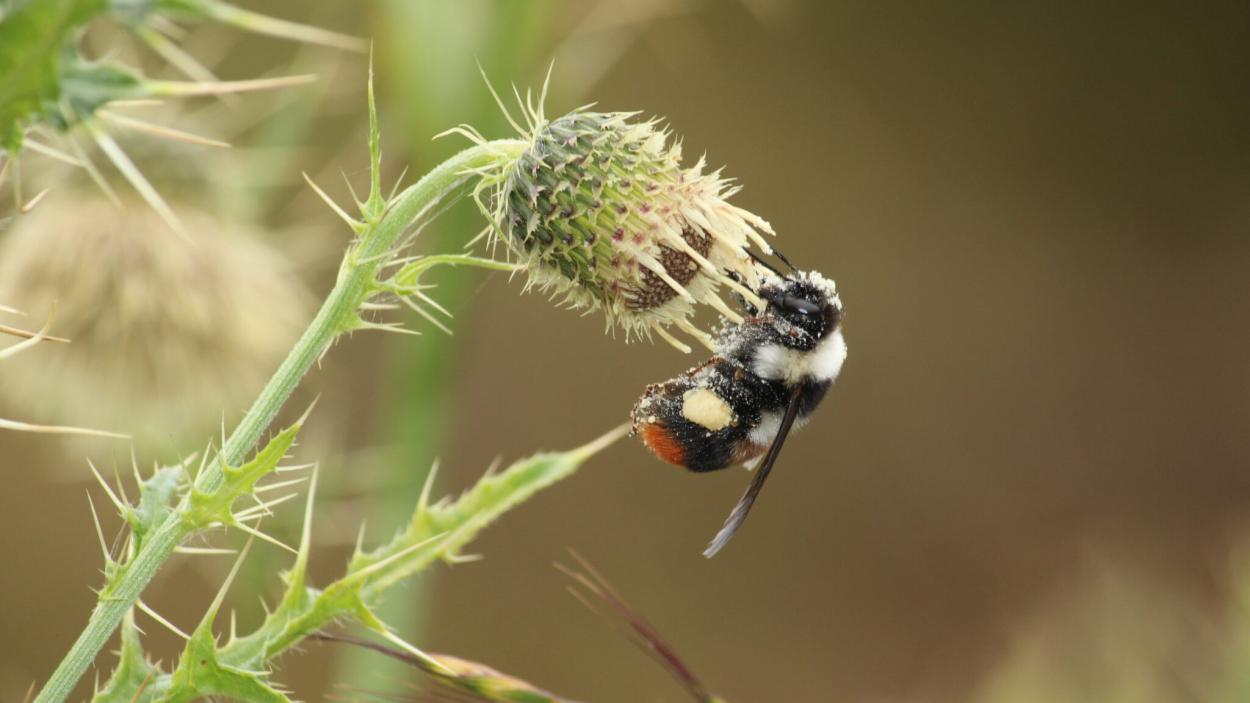
Working in 10 smallholder farming villages and their surrounding landscapes in Nepal, researchers traced the full chain of connections between wild pollinators, crop yields and the nutrients families rely on. By tracking diets, crop nutrients and the insects visiting those crops over a year, the research team showed how pollinators directly support both nutrition and livelihoods.

“This study directly connects the crops that local pollinators visit with people’s diets, nutrition and income,” said Matt Smith, a research scientist in the UW Department of Environmental & Occupational Health Sciences (DEOHS). “It was a real collaborative effort across many partners to collect and analyze a large body of data, making it possible to explore these links.”
Counting on the bees
The study found insect pollinators were responsible for 44% of people’s farming income and contributed more than 20% of their intake of vitamin A, folate and vitamin E. When pollinators decline, families risk poorer nutrition leading to higher vulnerability to illness and infections, and deeper cycles of poverty and poor health. One quarter of the global population currently suffer from this “hidden hunger.”
The research shows there is real potential for positive change — nutrition and income can improve when communities support pollinators. Simple steps like planting wildflowers, using fewer pesticides or keeping native bees can help boost pollinator numbers, strengthening both nature and people’s wellbeing.
Even though smallholder farmers are highly vulnerable to biodiversity loss, these practical local actions could enhance their food security and economic resilience. The findings could also help improve the health and livelihoods of millions of smallholder farmers around the world.
“Our study shows that biodiversity is not a luxury — it is fundamental to our health, nutrition and livelihoods,” said lead author Thomas Timberlake, who completed the research while at the University of Bristol and is now a postdoctoral research associate at the University of York, both in the United Kingdom. “By revealing how species like pollinators support the food we eat, we highlight both the risks of biodiversity loss for human health and the powerful opportunities to improve human lives by working with nature.”
Excerpted from a press release at UW News.
For more information or to contact the researchers, email Alden Woods at acwoods@uw.edu.