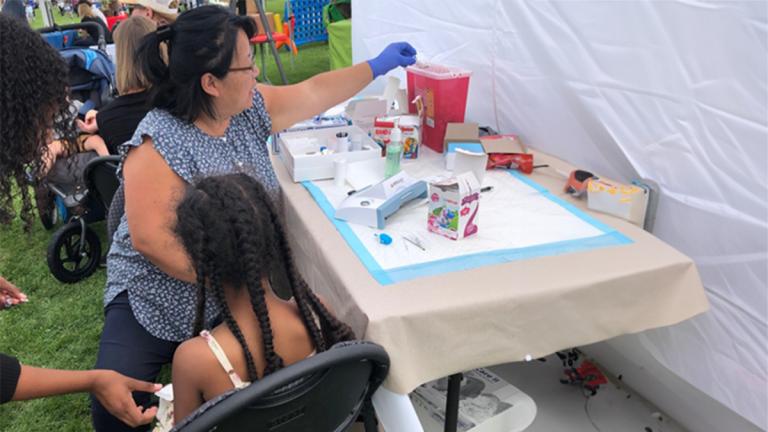
Lead testing for children
New $900,000 grant to the UW Pediatric Environmental Health Specialty Unit team will increase blood lead testing in King County

Tracing pathogens and antimicrobial resistance
New DEOHS Assistant Professor Erica Fuhrmeister uses next-generation metagenomic tools to understand how antibiotic-resistant pathogens are transmitted in the environment

Transit drivers and secondhand drug smoke
UW assessment finds fentanyl and methamphetamine smoke linger on public transit vehicles
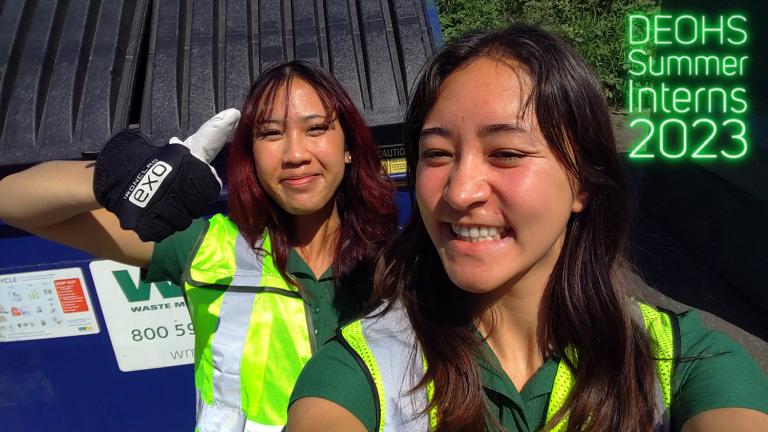
On the job | Kailee Sisounthone & Allison Seamon
Summer of sustainability: DEOHS undergraduate students educate communities on recycling
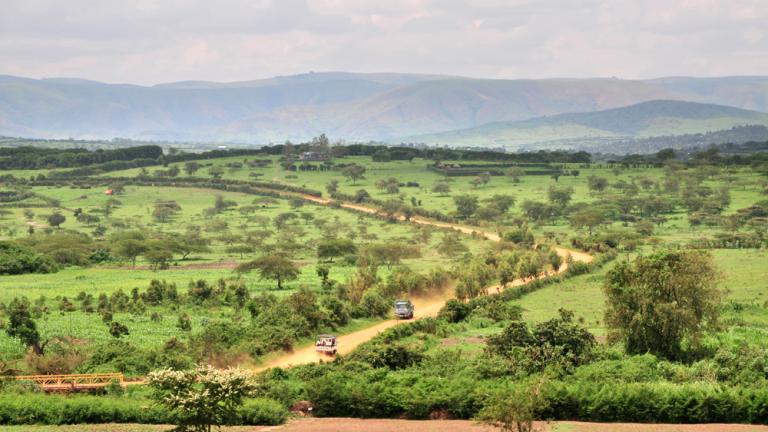
Medicine for a changing planet
UW, Stanford launch new resource to help health care professionals respond to climate concerns
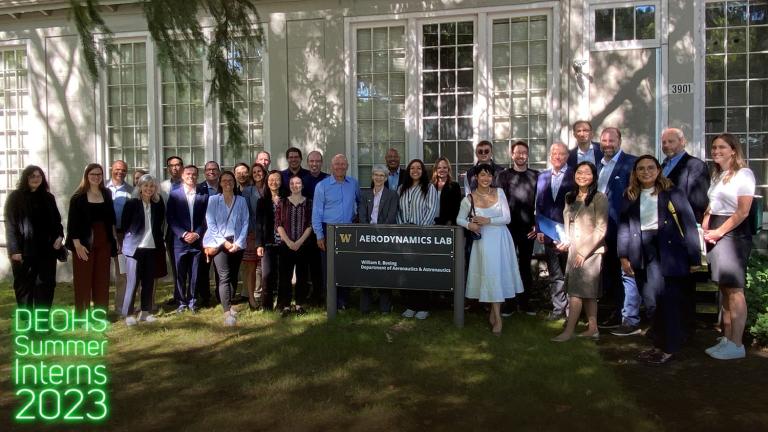
On the job | Graham Tewksbury
DEOHS undergraduate student’s summer internship with Boeing sparks career interest in corporate environmental sustainability

Wildfire smoke tied to increased risk of ER visits
DEOHS-led research finds people of all ages at increased risk of emergency room visits following wildfire smoke exposure
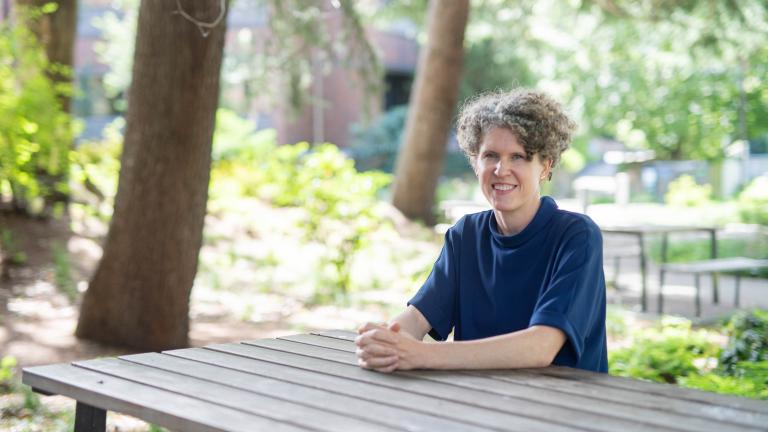
Seeking sustainability and environmental justice
New DEOHS faculty member Joan Casey uses big data to analyze population-scale health problems and solutions
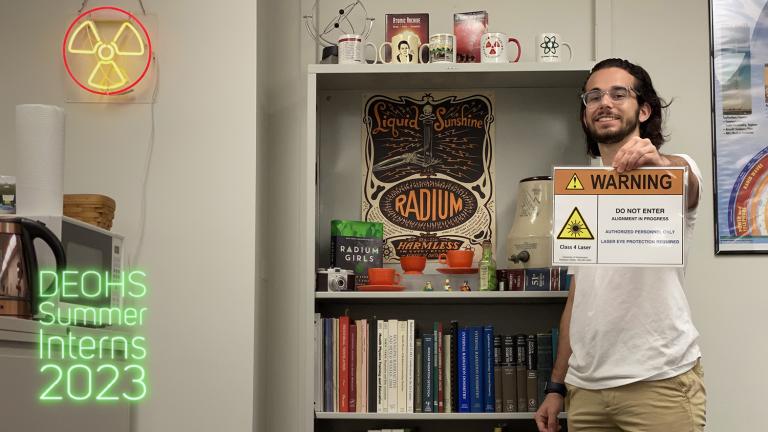
On the job | Matthew Deinitchenko
DEOHS undergraduate student inspects lasers to keep lab workers safe from radiation